Workshop Review: Master Your Movement Patterns
Join my email list for news on my latest classes and workshops or check Instagram @leahbushpilates.
We had three incredible people attend Master Your Movement Patterns on Wednesday, January 21. True movement-nauts—curious about how their bodies work and genuinely interested in learning how to work with their system instead of against it.
The energy in the room matters more than people realize. And this one was right. Small, focused, open. Exactly the kind of container that allows deeper learning to happen.
I brought my projector to the host gym and, for once, everything set up smoothly. I’ve long believed that visual aids aren’t just helpful for the kind of work I do—they’re almost necessary. This isn’t “follow the leader” movement. It asks students to learn, think, and apply concepts in real time.
This work isn’t just about moving.
It’s about becoming more embodied.
Sense → Organize → Move
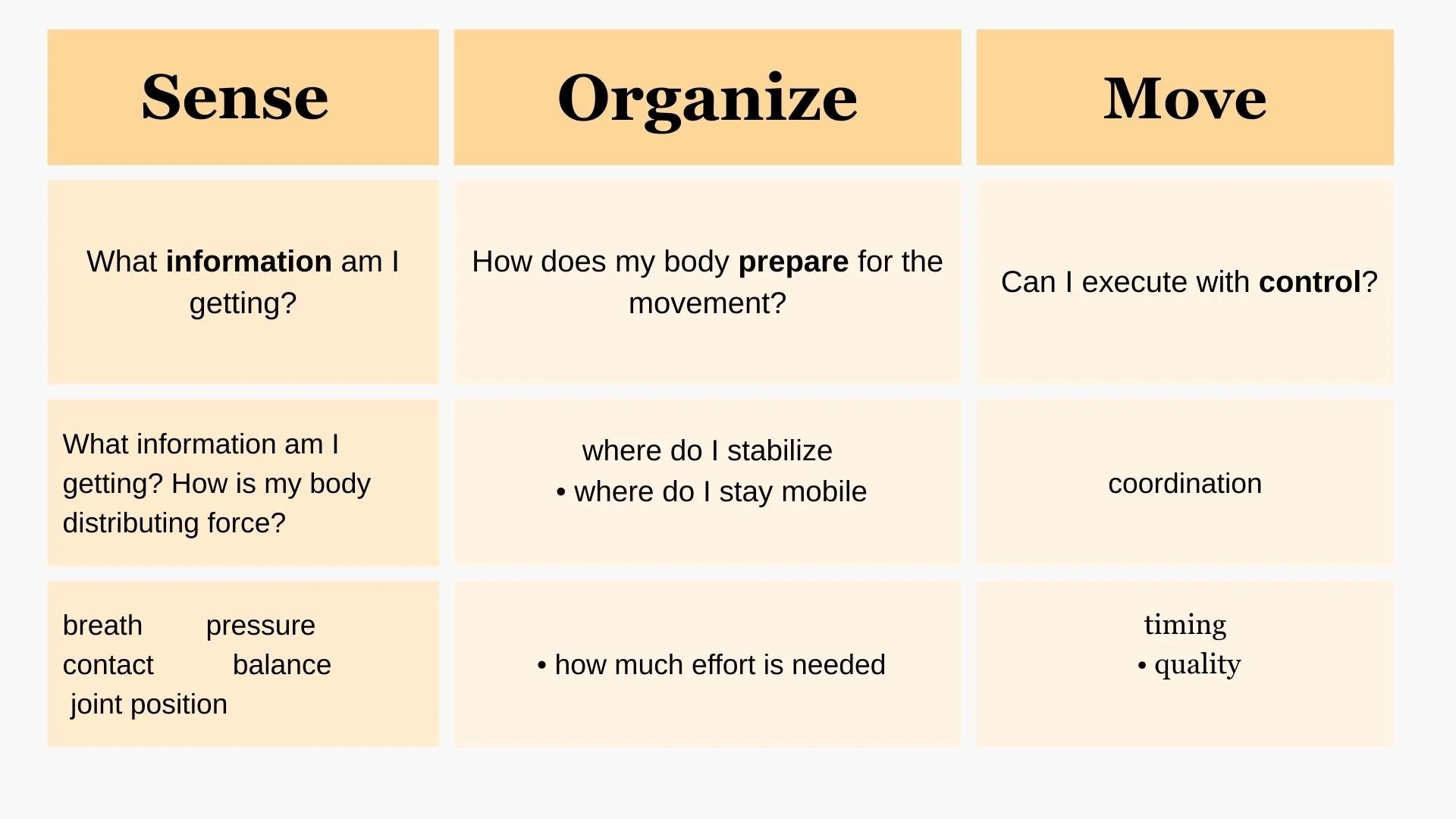
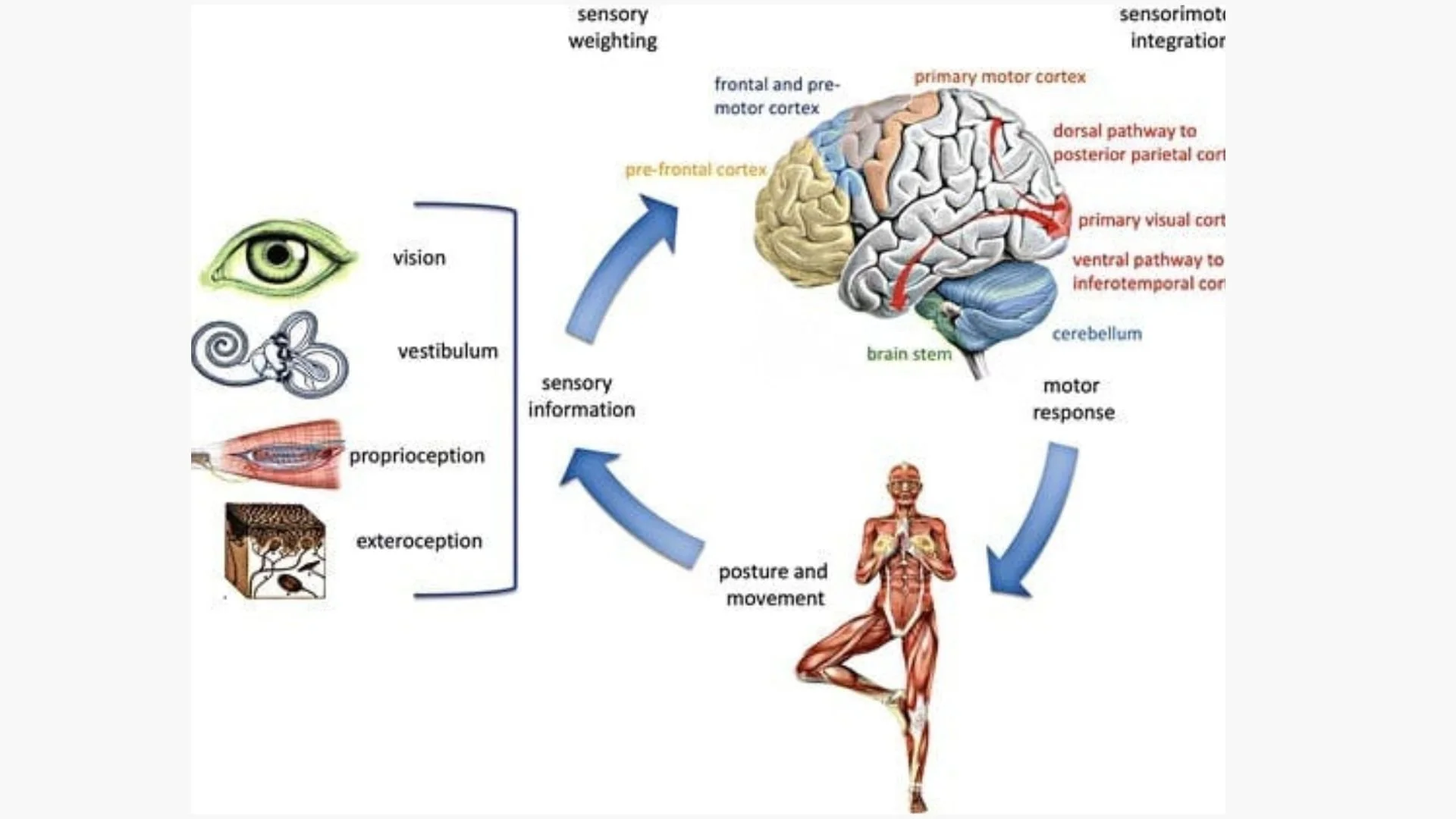
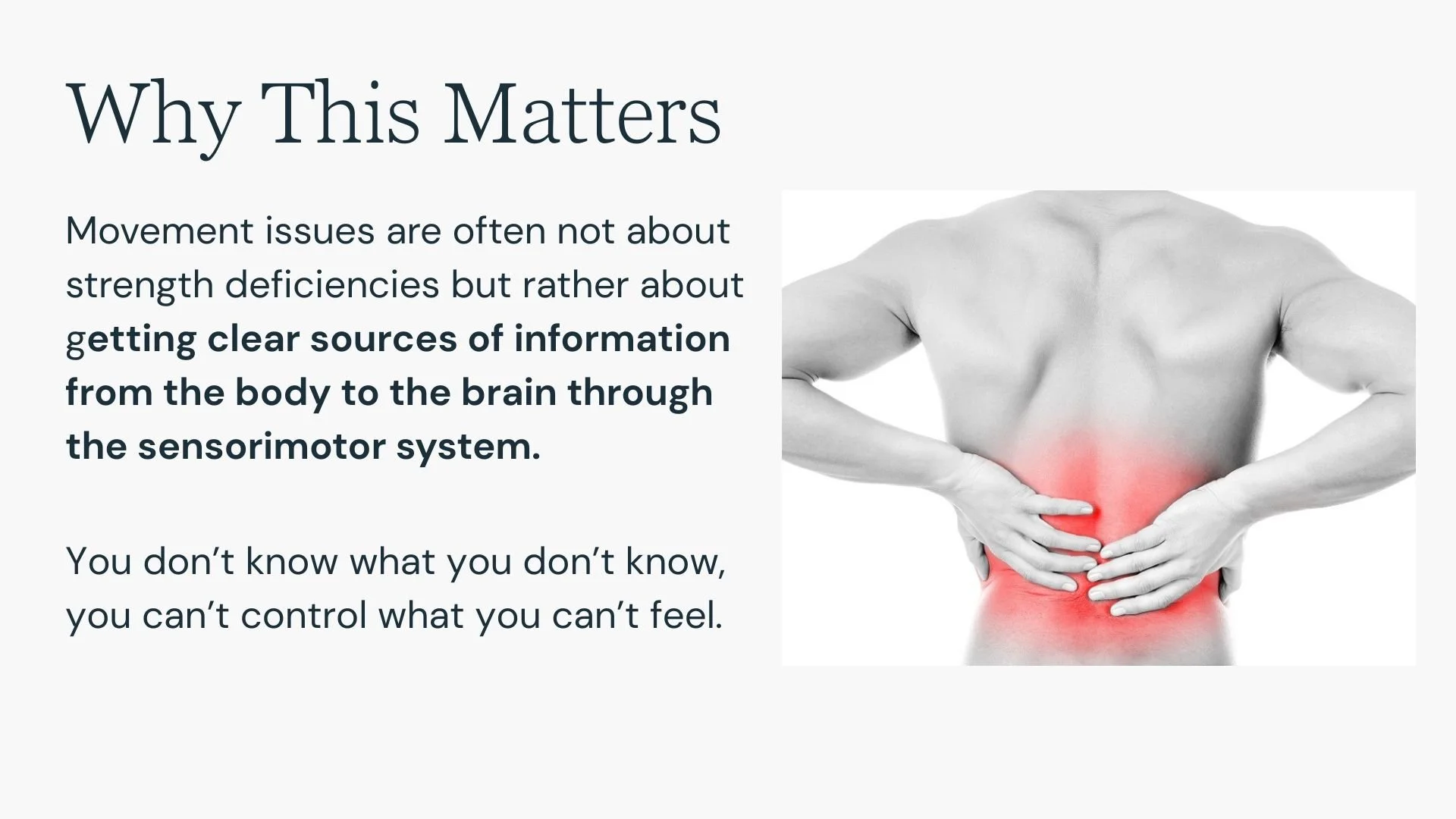
We began with a discussion of the sensorimotor system—the part of the nervous system that controls movement. One core idea guided the workshop:
Better input leads to better organization, which leads to better movement decisions.
From there, I introduced the SOM protocol:
Sense first. Then organize. Then move.
Instead of jumping straight into exercises, we focused on improving the quality of sensory input and feedback. When the nervous system has clearer information, it doesn’t need to rely on compensation or force.
Using Props as Feedback
We explored all seven fundamental movement patterns using simple props—both as as supports and sources of honest feedback.
And one tool stood out immediately: the dowel.
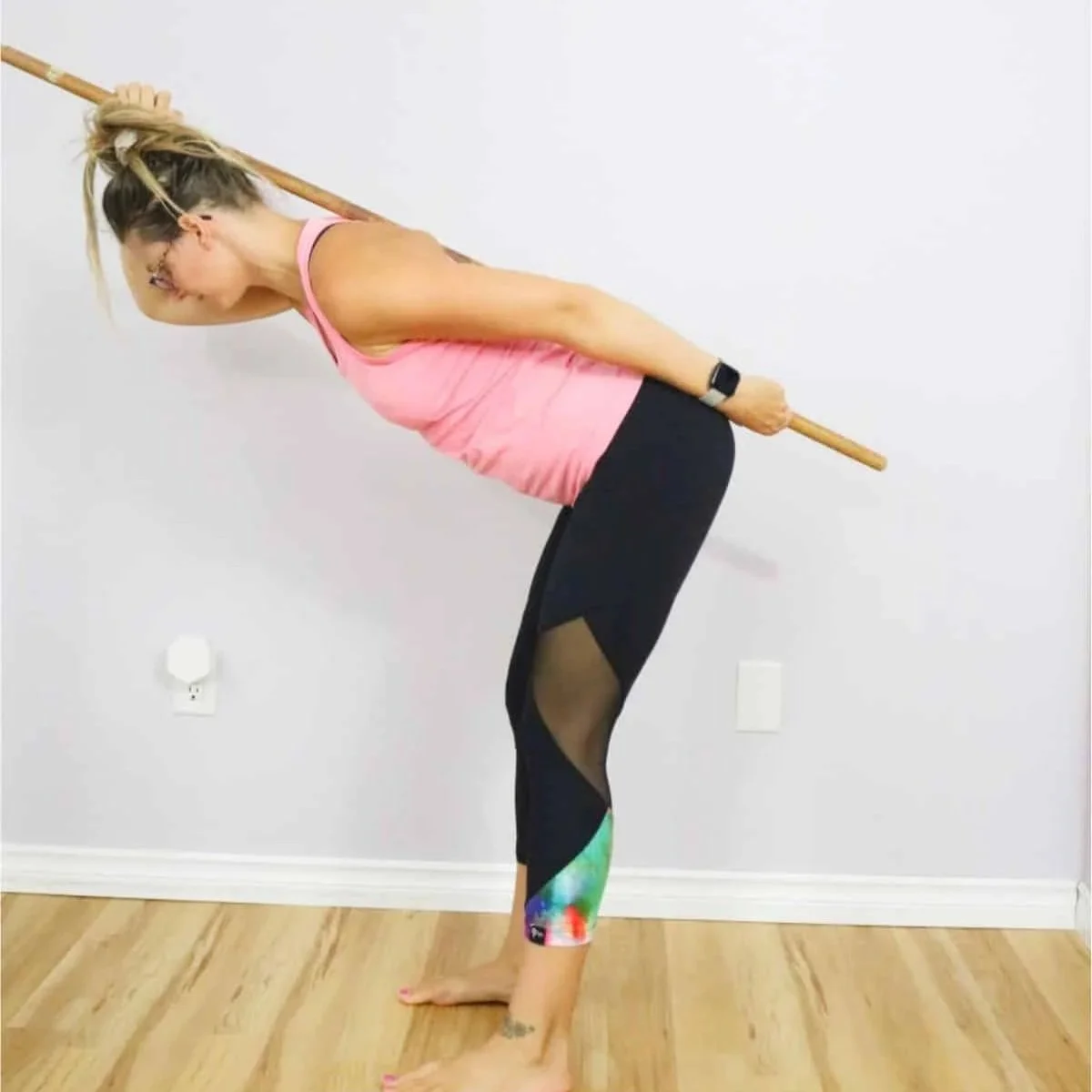
The Dowel
Just a simple wooden pole. No tech. No complexity.
But it gave us instant information about:
Spinal organization
The ability to find and maintain length
Whether movement was truly happening at the hips—or leaking elsewhere
Using the dowel made one thing very clear:
finding a long spine is an under-assessed, overlooked skill.
And it’s a prerequisite.
Want to stay in the loop?
I share updates about upcoming classes and workshops by email.
Join my list here.
Why the Long Spine Matters
Before someone can truly hinge at the hips, they need to be able to:
Organize the spine
Maintain length without rigidity
Dissociate the pelvis from the torso
Without that, “hinging” often becomes a compensation pattern—borrowed from the lower back, ribs, or neck.
The dowel doesn’t let you cheat.
It tells the truth.
And when people felt that difference, things clicked fast.
Final Thoughts
What stood out most wasn’t the exercises—it was the quality of attention in the room. When people slow down, sense first, and organize before moving, the body becomes more cooperative. More efficient. More intelligent.
Simple tools. Clear feedback. Better movement decisions.