
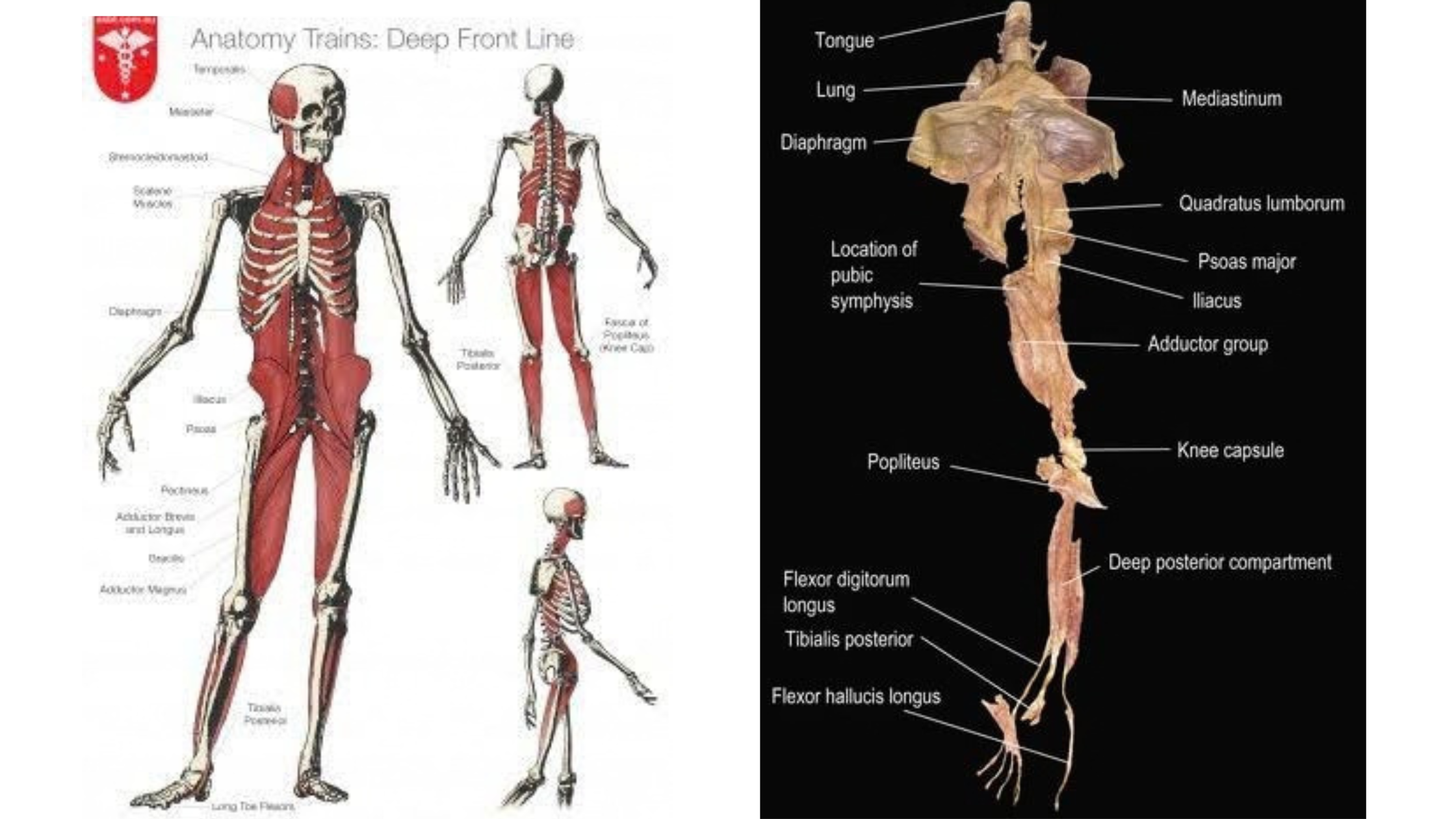
What Do My Jaw and Pelvic Floor Have to Do With Each Other?
What do a tight jaw, cramping feet, and an unfinished-feeling breath have in common? I explore the Deep Front Line—and how understanding the relationships between these areas has changed the way I work with my own body and teach movement.

The More You Feel, the More You Find
The longer you practice movement, the more you notice. A cue you thought you understood takes on new meaning. A compensation you never felt becomes obvious. This post explores how clearer body awareness reveals new layers of your movement—and how returning to those discoveries, again and again, turns insight into lasting skill.
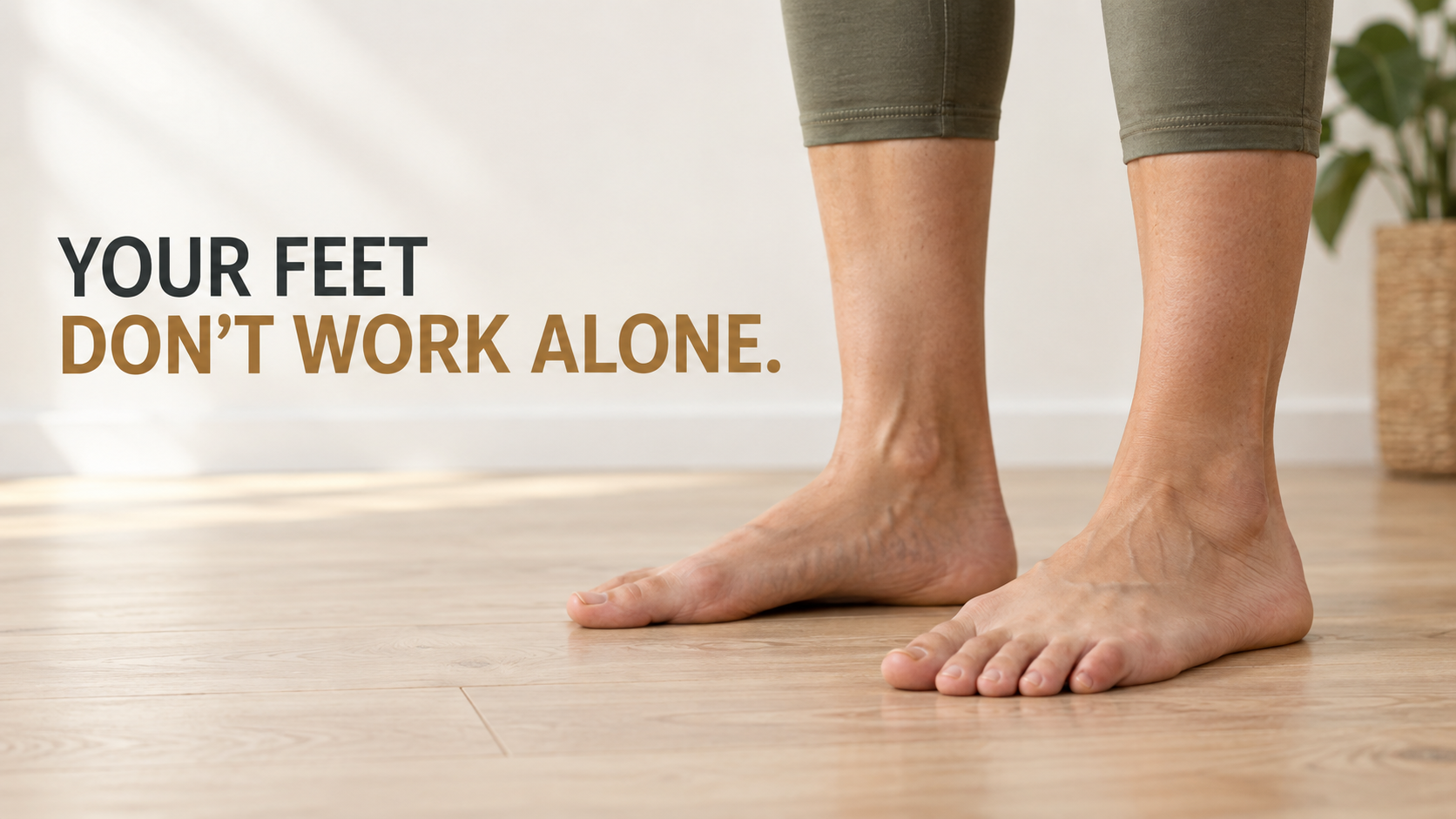
Why Do So Many of Us Have Foot Problems?
Why do so many of us struggle with our feet? The problem may not begin—or end—at the foot. Discover the two-way relationship between your feet, hips, and pelvis, and the three essentials for building feet that can sense the ground, adapt to movement, and support your whole body.
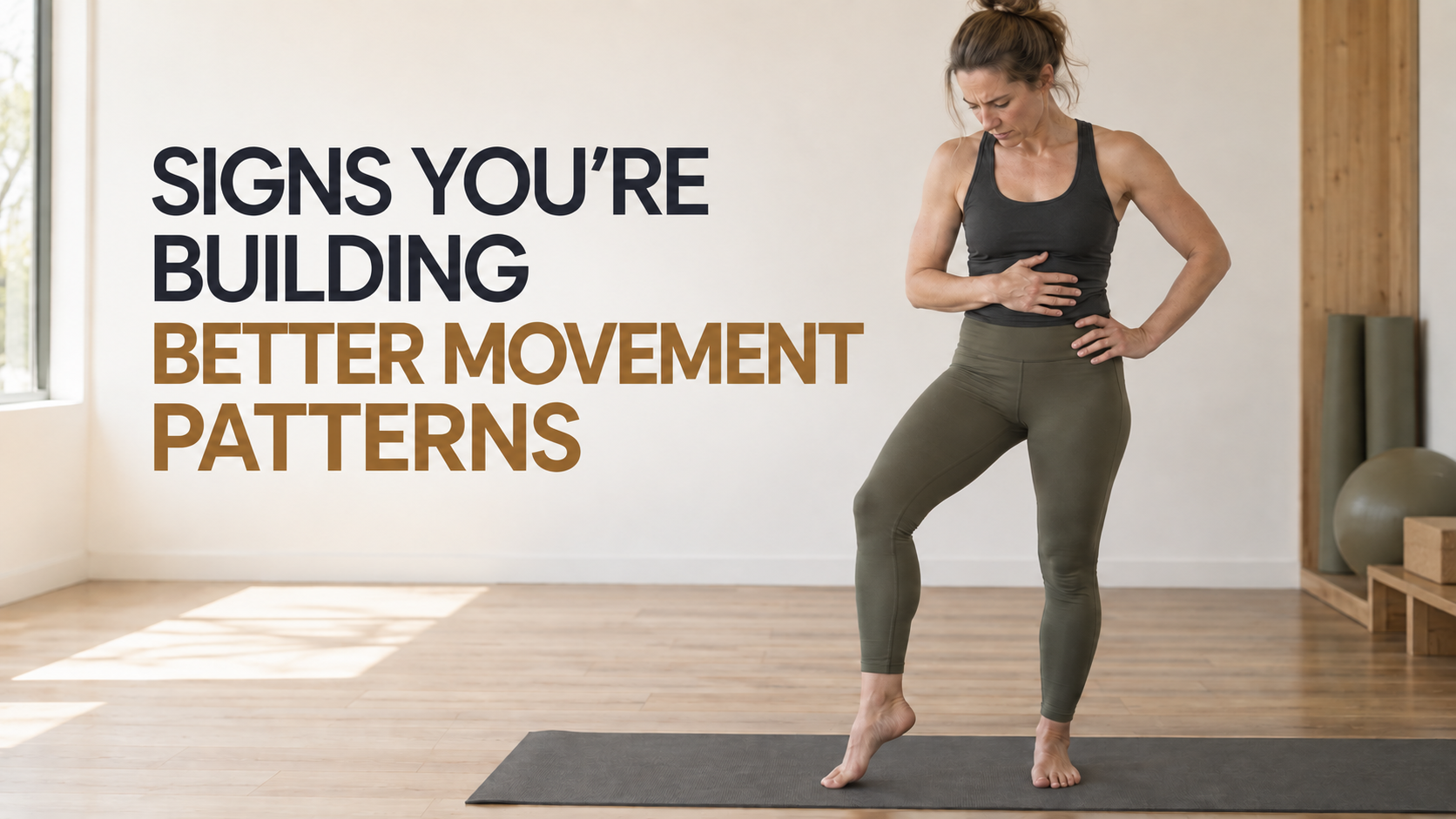
How Do I Know I’m on the Right Track?
Progress in movement work is not always obvious. It may look less like dramatic changes and more like greater awareness, less unnecessary tension, faster recovery, and a growing ability to coach yourself. Here are the subtle signs that your body is learning and that you are moving in the right direction.
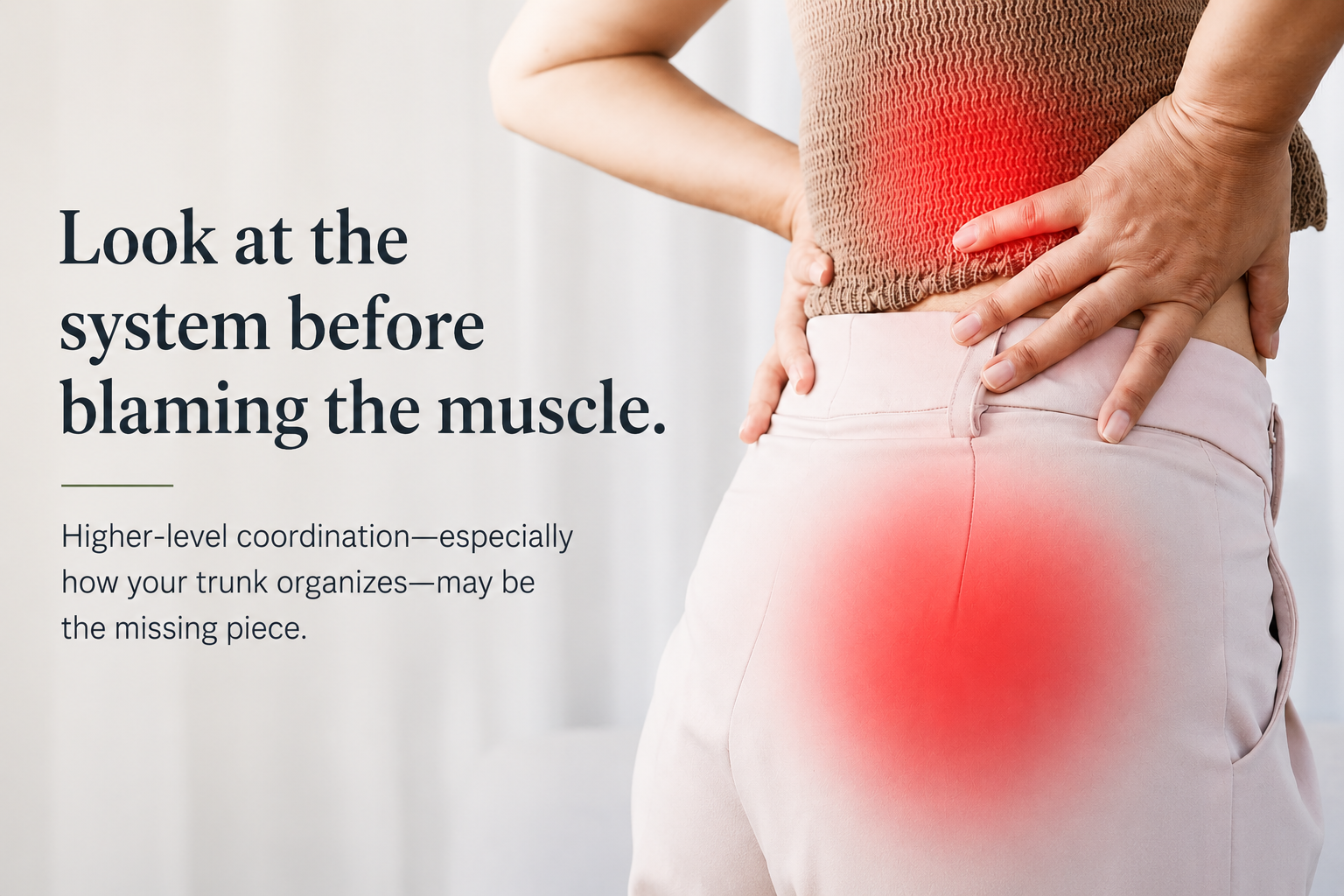
Maybe It’s Not a Weak Muscle: Understanding Higher-Level Coordination Problems
Sometimes the body part that feels weak, tight, or overworked is only telling part of the story. This post looks at why zooming out and examining the body’s overall movement strategy can reveal what isolated strengthening and stretching often miss.
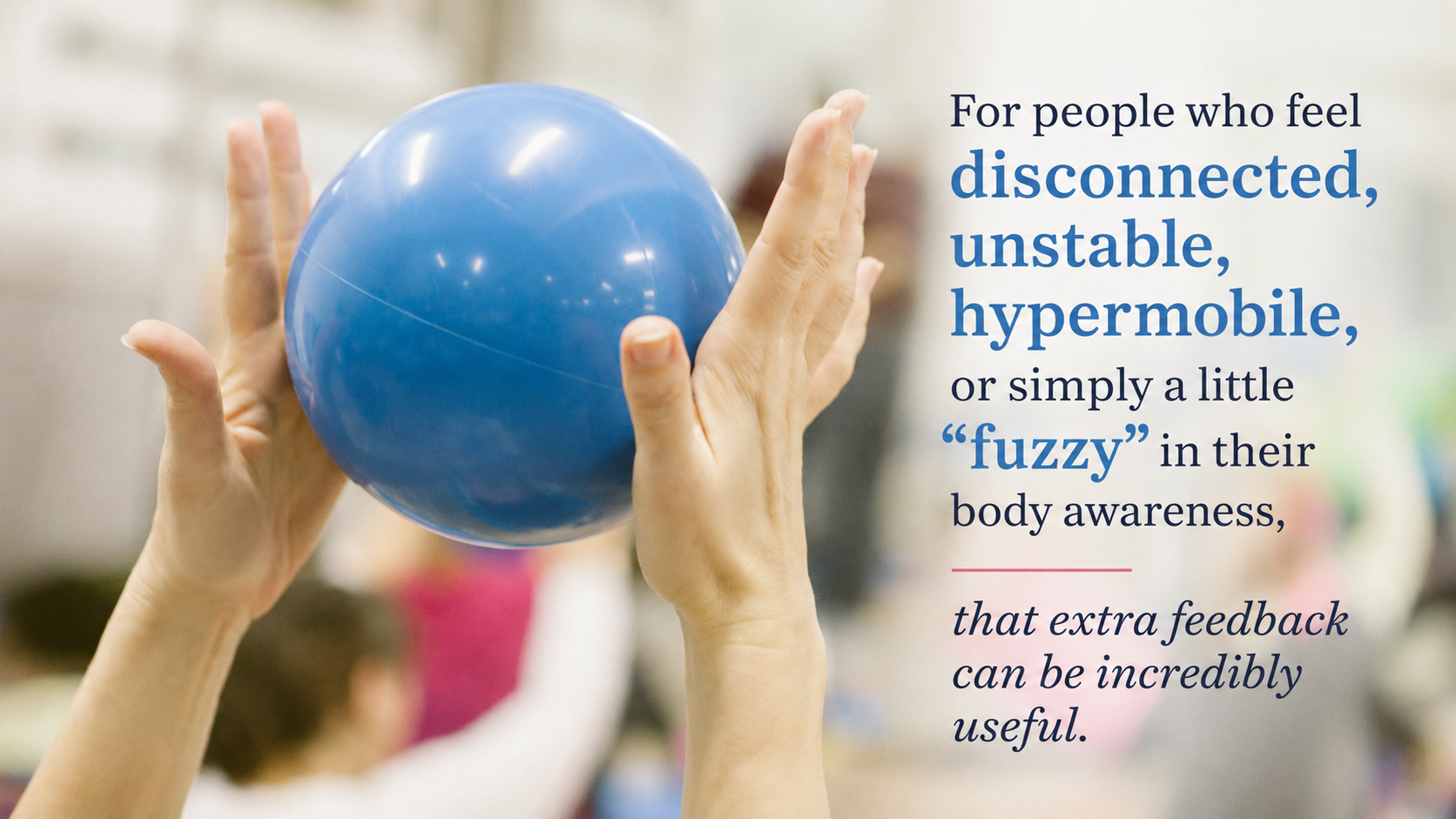
Why Pressure Helps You Organize Your Body
Gentle pressure into a ball, ring, wall, or floor can give your nervous system clearer sensory feedback and make it easier to organize your trunk and limbs. Here's why it works...and why the goal is better connection, not squeezing harder.
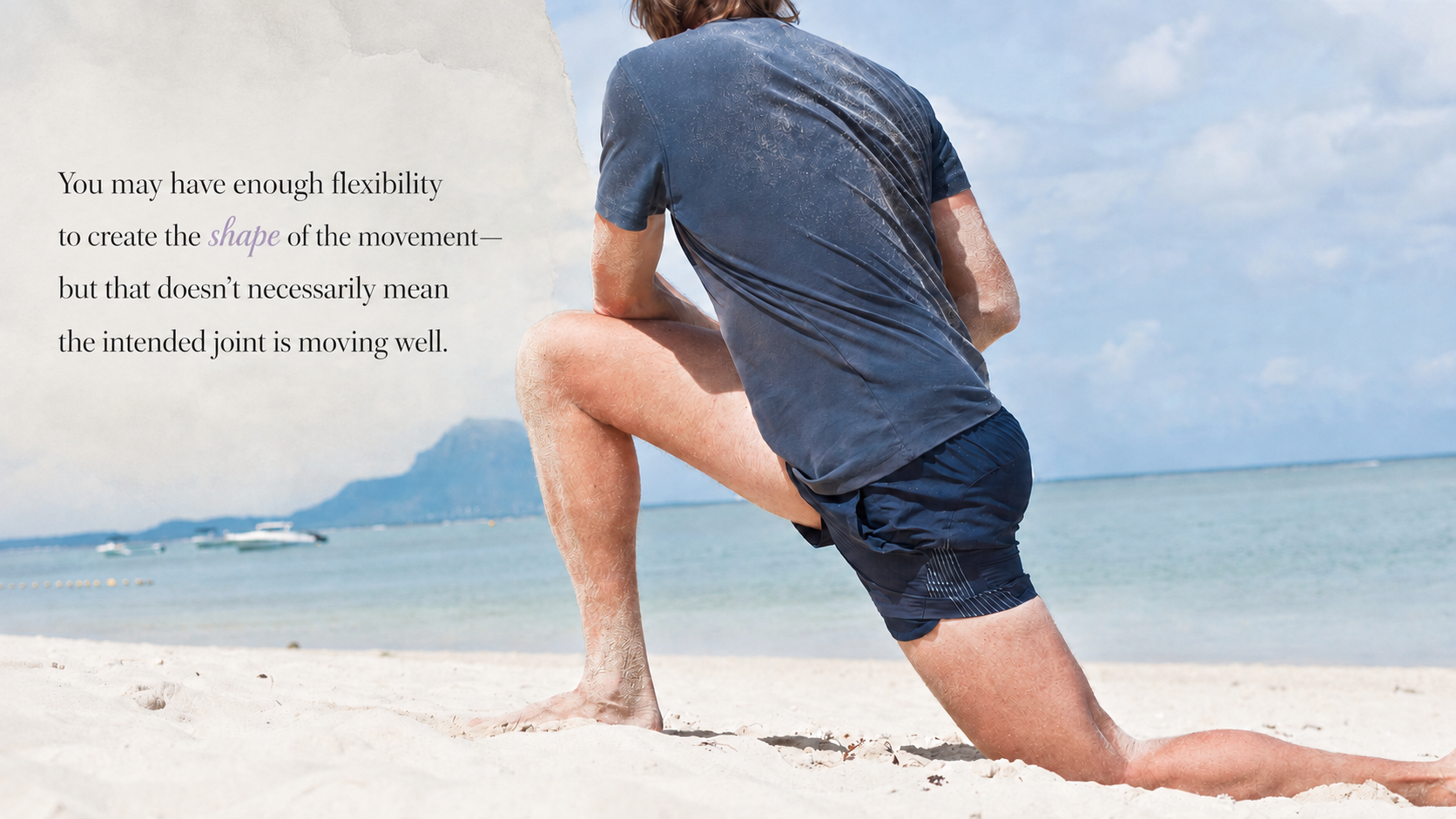
Are You Truly Mobile—or Just Moving Around the Stiffness?
Learn how relative flexibility allows the body to borrow movement through compensation, why the same areas keep feeling tight, and how greater awareness can lead to true, controlled mobility.
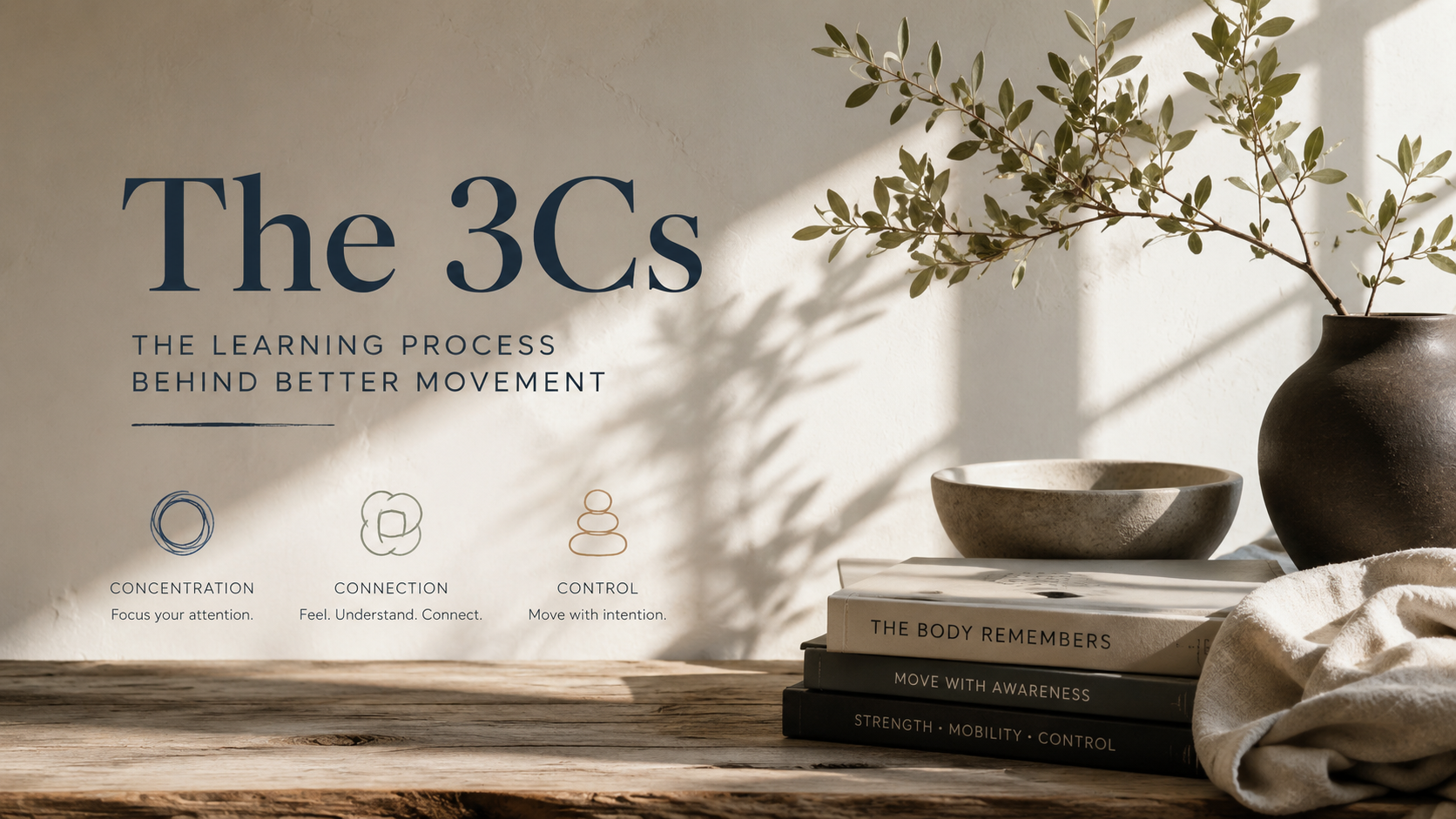
The 3Cs: The Learning Process Behind Better Movement
Movement isn't just about strength or flexibility—it's about learning. Discover how years of overcoming chronic pain led me to develop the 3C Method: a simple framework built on attention, body awareness, and motor learning.