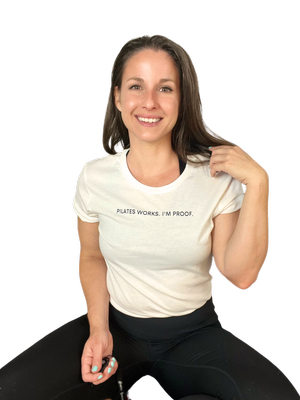
What You Do Daily Shapes Your Body
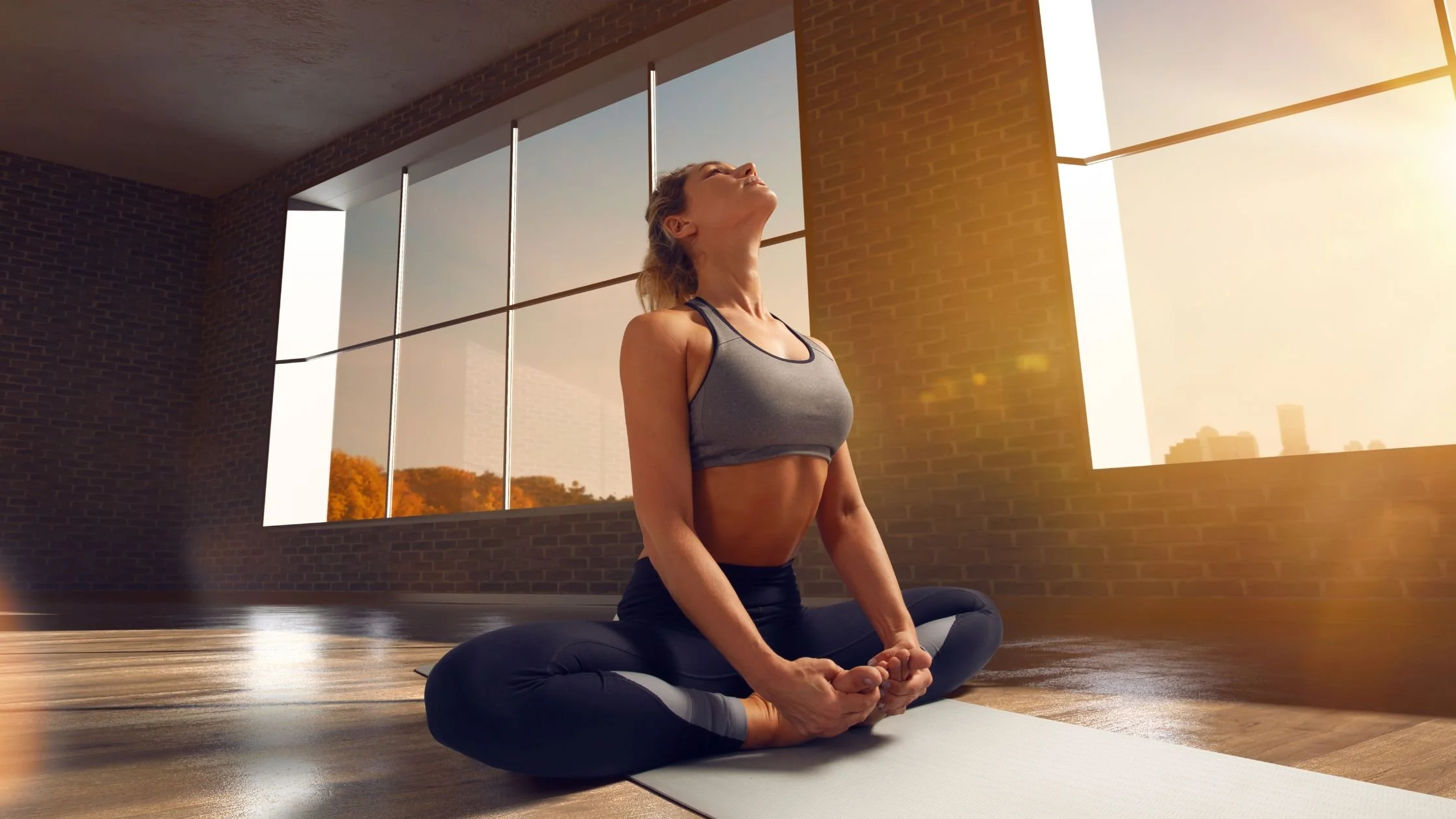
“Excellence then, is not an act, but a habit.”
Poor posture, imbalances, restrictions, tightness, weakness, chronic pain— the same way we find ourselves in this mess is the same way we get out of it: through routine daily habits.
If we’re trying to override the brain’s default programming, we have to introduce a consistent, regular counter-program. That’s why I recommend all my clients develop a minimum viable movement practice (MVMP).
Small sessions of movement—about 15 minutesa day, minimum—that are low-barrier and satisfying to check off a list.
At this point it helps to understand a few basic principles of neuroplasticity.
The nervous system changes based on what it experiences most often, most clearly, and with enough attention to register. Occasional intense effort doesn’t override default patterns. Random unfocused movement doesn’t either.
For actual nervous system change to occur, the input has to be:
consistent (daily or near-daily)
specific (not vague or scattered)
attentive (you’re actually present for it)
That’s why short, regular practice works better than infrequent, intense sessions. You’re not trying to exhaust the body—you’re trying to give the brain a clear alternative often enough that it starts to choose it on its own.
Of course, there’s a practical barrier here: human behavior.
“I know what to do… I just don’t do it.”
I’m guilty myself - it’s just the struggle of being a human.
Doing anything daily takes mental effort, especially at first. That’s why most well-intentioned plans fall apart—not because they’re ineffective, but because they demand too much willpower.
This is where it helps to reframe daily movement practice as maintenance, not motivation.
More like brushing your teeth than training for something, “burning x calories,” or “completing x workout”.
You don’t brush your teeth because you’re inspired. You do it because it’s basic hygiene. A small daily movement practice can serve the same role—regular upkeep for your nervous system, joints, and movement patterns.
When practice stops being a performance goal and becomes a matter of care, it gets much easier to return to.
A low barrier to entry matters.
For most people, the hardest part of daily practice is showing up. That’s why I often recommend making it as easy as possible : just lay on the floor!
Feel your weight against the ground, rock your knees a bit, stretch, yawn, notice where you’ve been holding tension, slow and deepen your breath, rotate and bend your arms and legs, do a few cat/cows, anything that comes to you…
Rolling, rocking, stretching, and small exploratory movements are an easy way to enter your practice. They feel good, they calm the nervous system, and they don’t require effort or equipment.
Any of these movements can become an exercise if you want them to. You can add structure—reps, sets, range, degree of focus. You can add resistance or additional demand later, when you feel ready.
Sometimes that short session is the whole practice—and that’s enough.
Other times, it’s a doorway to more.
Curiosity takes over.
A particular movement, pattern, or sensation starts to interest you
You want to work on a skill, a feeling, or a specific muscle group.
I’ve started my daily movement practice feeling shitty plenty of times. After breaking through the initial crust of inertia and emotional sludge, those sessions have sometimes blossomed into full-blown 90-minute, almost gymnastic explorations.
And the mental health benefits of having a MVMP? Unreal. It’s essentially a form of meditation, and it supports nervous system regulation in more ways than I can count.
The key is that this expansion isn’t forced.
When practice grows because it feels good or because you’re engaged, the relationship to movement changes. It stops being something you have to do and becomes something you get to do.
Motivation matters—but not in the way most people think.
Most of us move to manage pain (the best motivator there is!), to feel progress, to feel better afterward than we did before, or to access a flow state where the nervous system settles and the constant mental noise quiets down.
For many people, movement becomes one of the few spaces that truly feels like me time—a place to think clearly, or not think at all.
Daily practice becomes sustainable when it reliably meets those needs.
Enjoyment isn’t optional—it’s part of the mechanism.
If a practice feels punishing or boring, the nervous system will resist it. If it feels supportive, regulating, or interesting, it becomes much easier to return to.
Simple things help:
music that helps you drop inward
positive associations with how you feel afterward
an environment that invites movement instead of hiding it
For some people (myself included), cannabis can also play a role. It can help quiet mental noise, enhance the mind–body connection, and make it easier to feel subtle sensations—likely through its interaction with the endocannabinoid system, which is involved in regulation, inflammation, and brain connectivity.
Having a mat out, a Pilates ball nearby, or a resistance band within reach also reduces friction. These are small cues, but they matter. They make movement feel available instead of like a decision.
The brain’s default programming can only be changed through consistent, routine movement practice.
If you want new patterns, you have to give the nervous system a regular counter-program—one that’s low-barrier, enjoyable, and realistic to return to. Remember why you move in the first place. Make practice supportive. Start small, and let curiosity carry you further when it wants to.
That’s how daily practice becomes sustainable. And that’s how real change happens.
Nervous system change and intelligent strength-building aren’t DIY projects. Skilled guidance matters. The right coach helps you see what you can’t yet feel, prioritize what actually needs attention, and progress at the right pace—so you build strength and control without breaking yourself down or reinforcing old patterns.
This is the foundation of my method. I help people change movement patterns by working with the nervous system first, then building strength and control on top of that foundation. If you want to do this work with skilled guidance, you can work with me through private sessions, classes, or workshops. Reach out through the button below.