
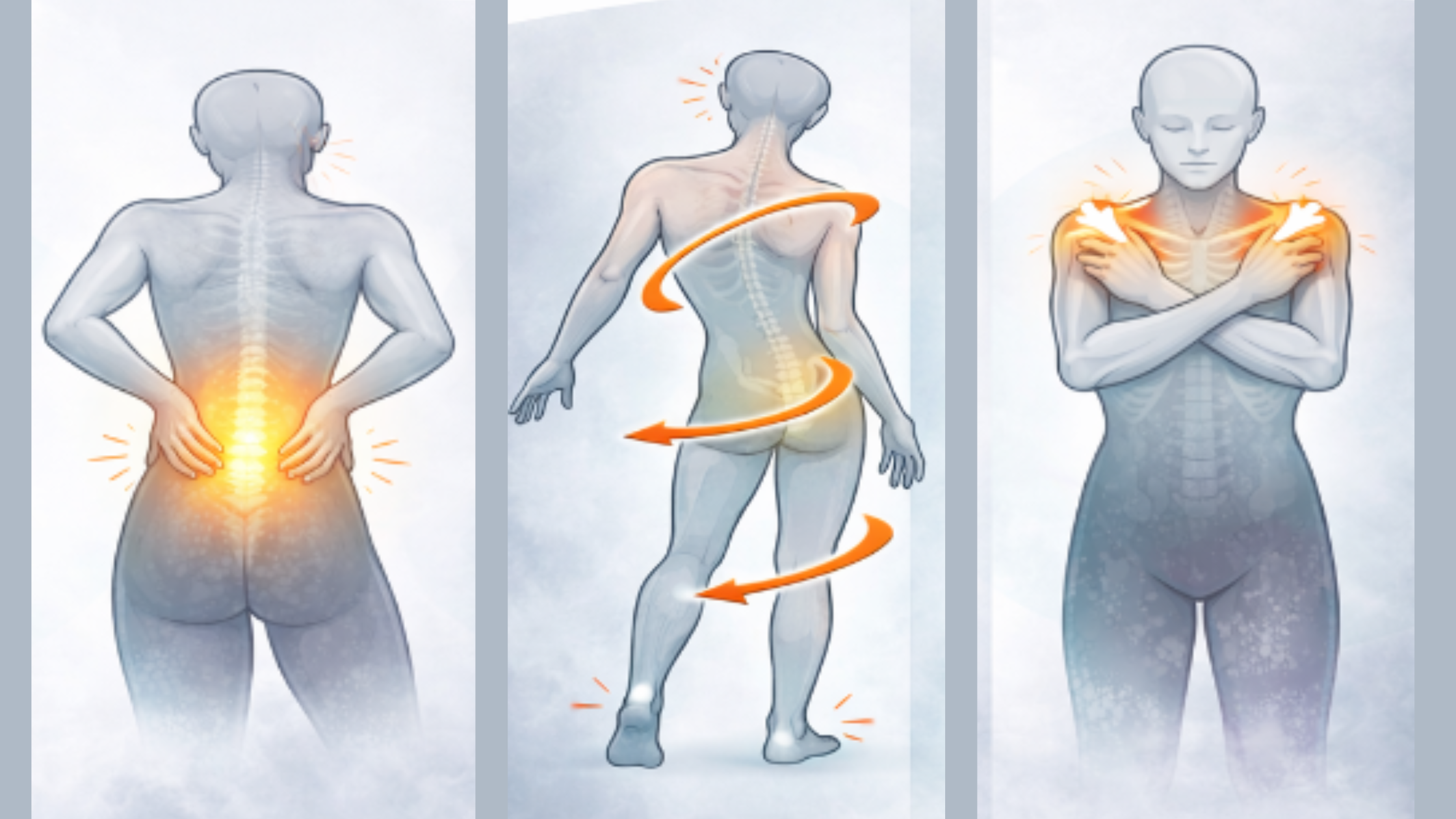
The Pattern Behind Your Pain & Stiffness
Most people think their pain is the problem. It’s not. It’s the result of a pattern your body has been running for years. Once you see it, everything starts to make more sense.
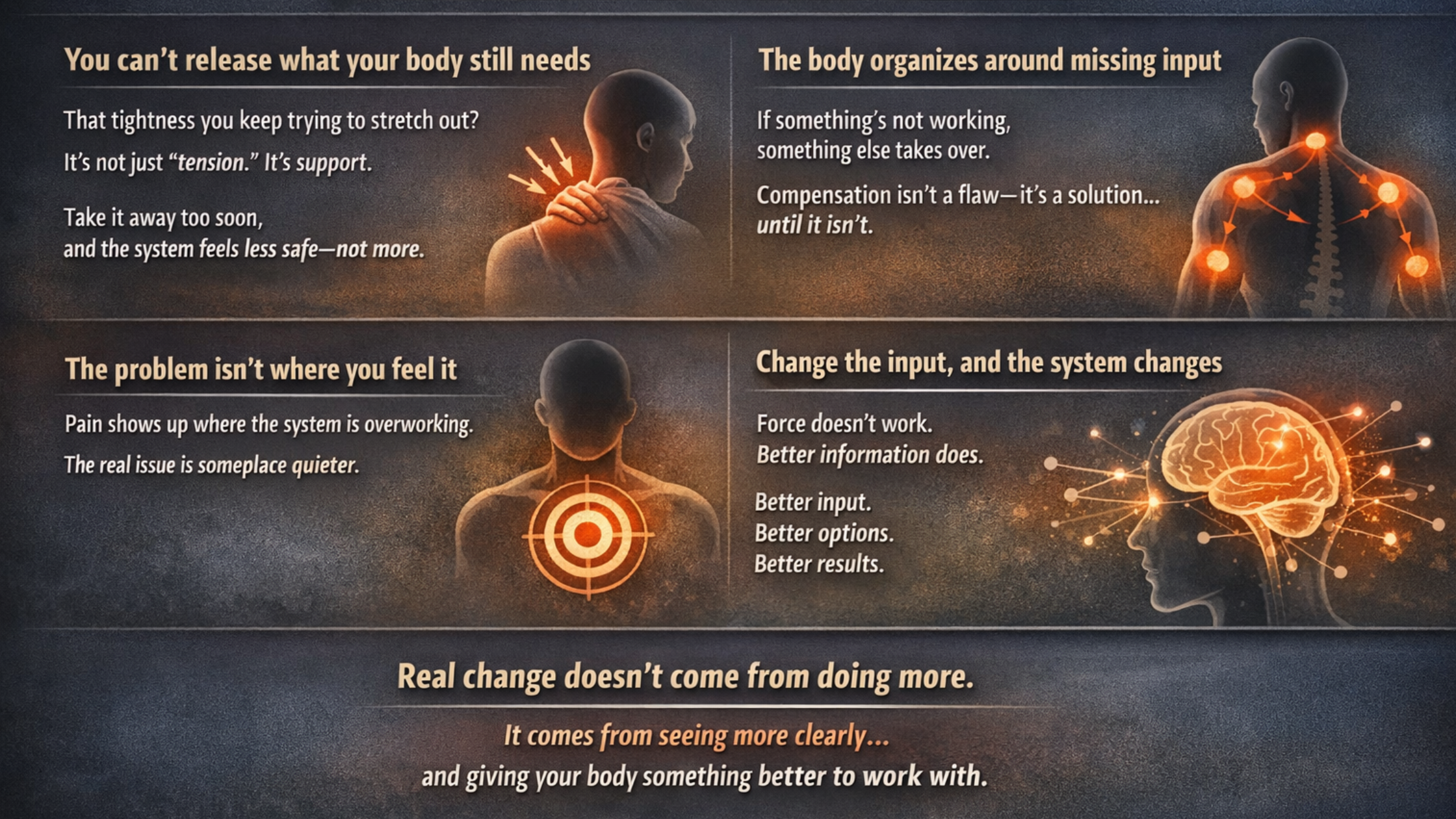
Real Change Starts Here: The Truth About Tension, Pain, and Movement
Most people try to fix their body by doing more—more stretching, more strengthening, more effort. But real change doesn’t come from force. It comes from understanding how the body actually organizes itself. In this post, you’ll learn why tension isn’t the enemy, how compensation patterns form, why pain shows up in the wrong place, and how better input—not more effort—is what finally creates lasting change.
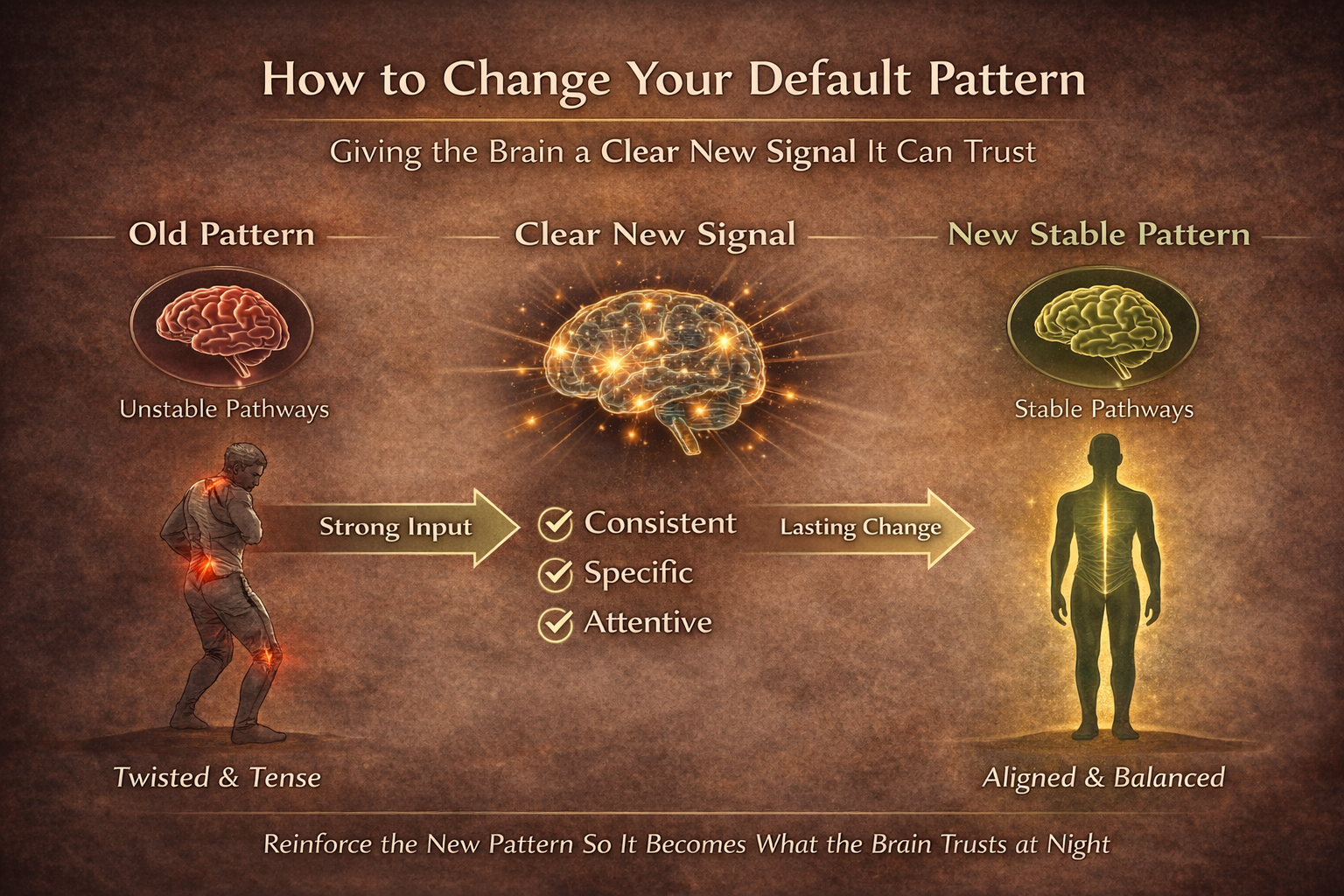
Why Your Body Feels Worse in the Morning (And How to Fix It)
Waking up stiff or tight even when you’re making progress? Here’s why your body reverts overnight—and how to retrain your system for lasting change.
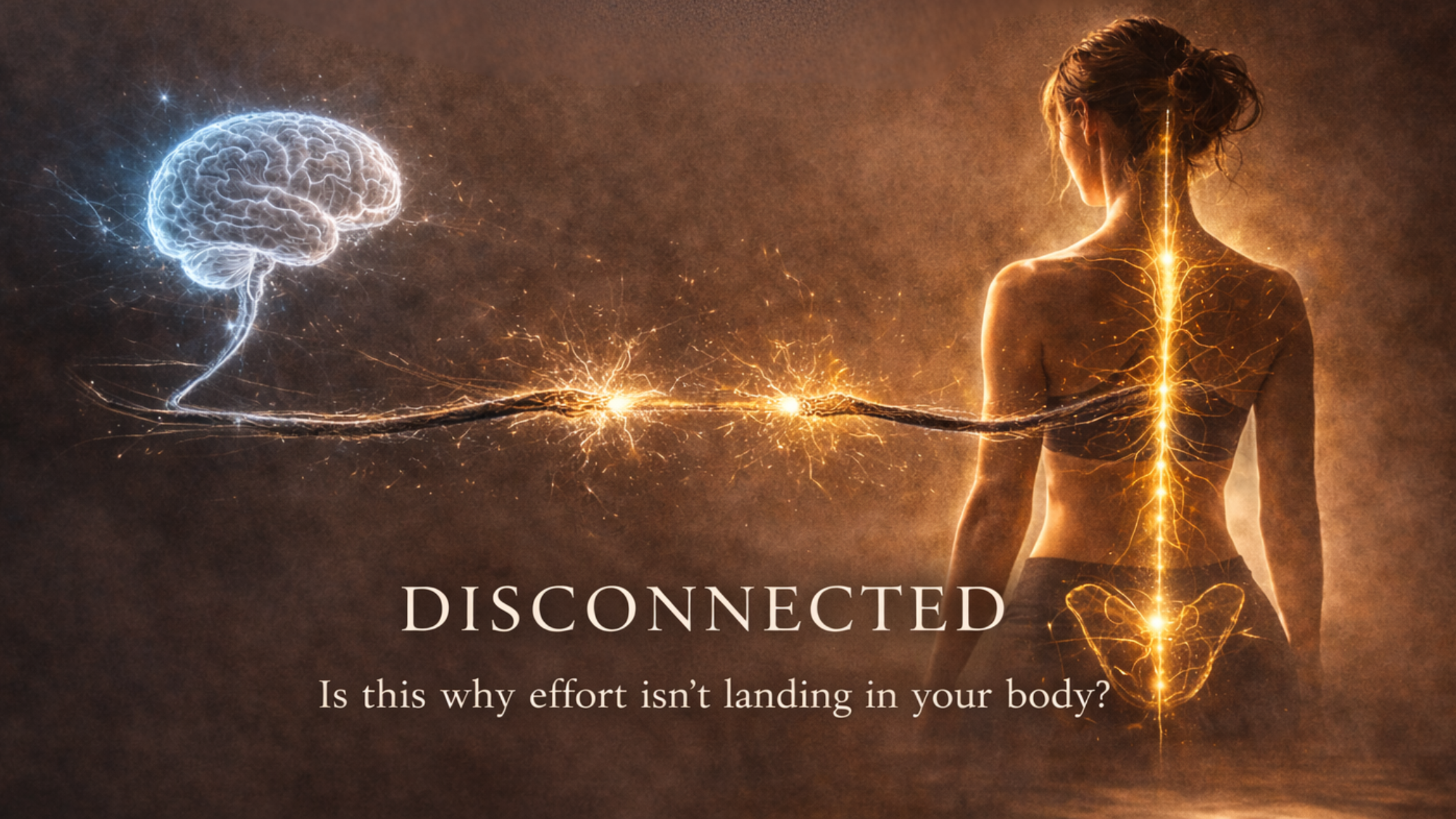
You Can’t Control What You Can’t Feel
For years, I tried to improve my movement through effort and precision — but the real breakthrough came when I restored sensation. This post explores why sensory awareness is the foundation of true control, stability, mobility, and lasting change.
Control of the Leg Begins Behind the Heart
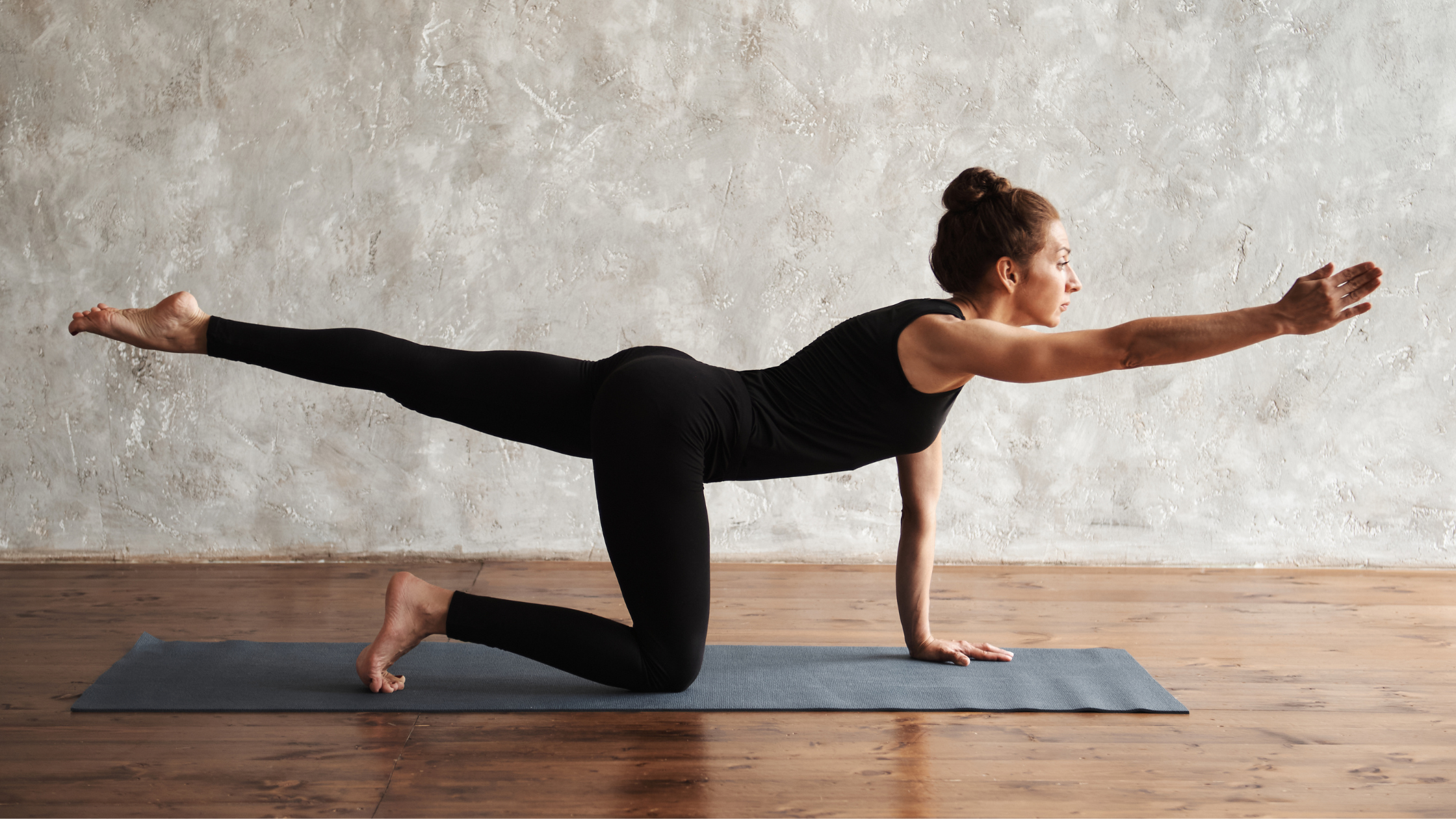
A single interesting statement “Control of the leg begins behind the heart” — led me into an experiment that reorganized my entire body. By shifting where I anchor from, I felt my neck soften, my ribs settle, and my hip integrate in a completely different way. This post explores how small refinements in attention can transform the way force moves through the body and why real change often begins differently than we think.
Say Hello to Your Psoas
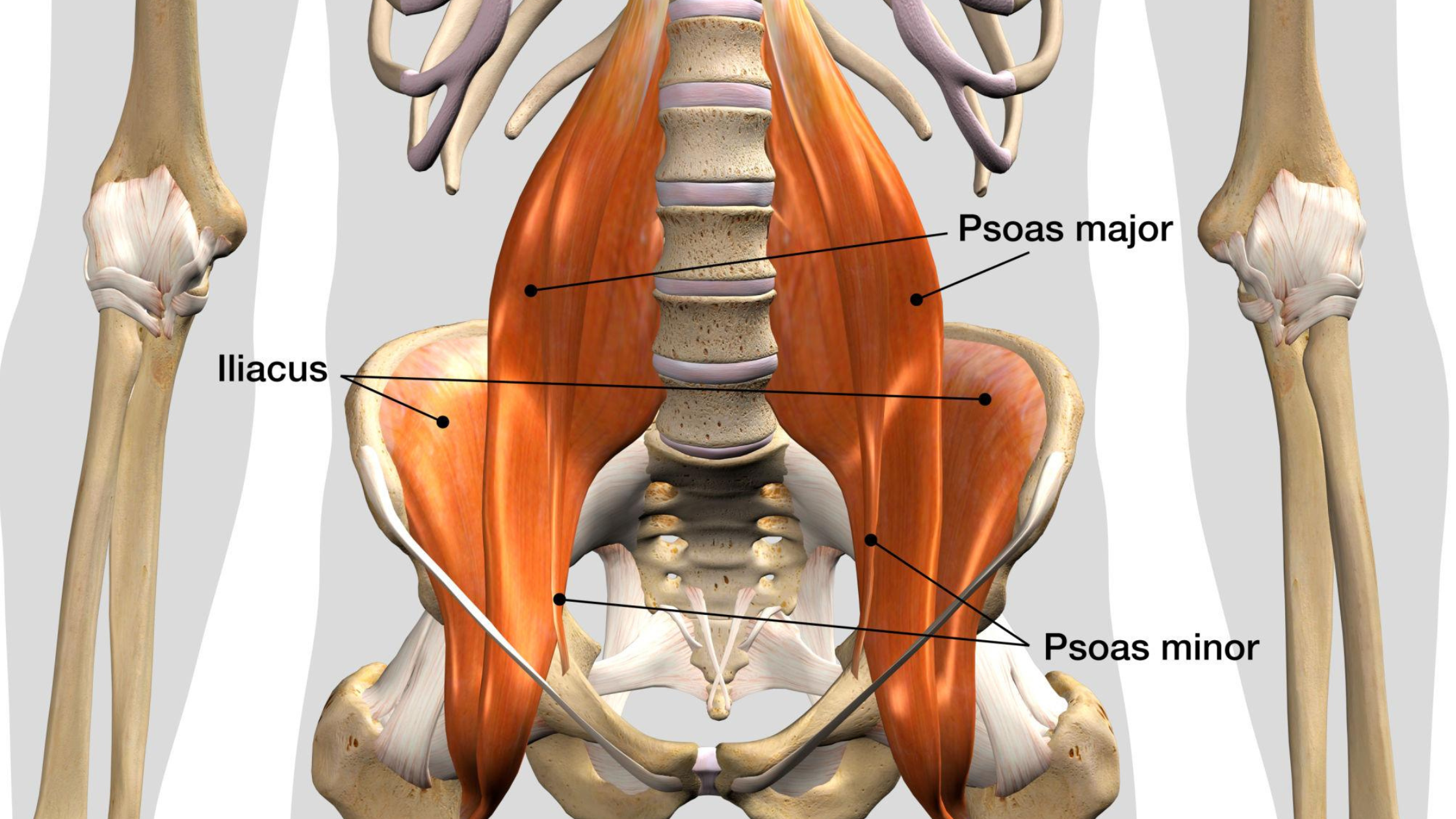
If your psoas always feels tight no matter how much you stretch, the issue may not be flexibility — it may be organization. Learn what a healthy, supple psoas actually feels like, why stretching your hip flexors often doesn’t solve the problem, and how to test your access using the SOM Protocol: Sense. Organize. Move.
What You Do Daily Shapes Your Body
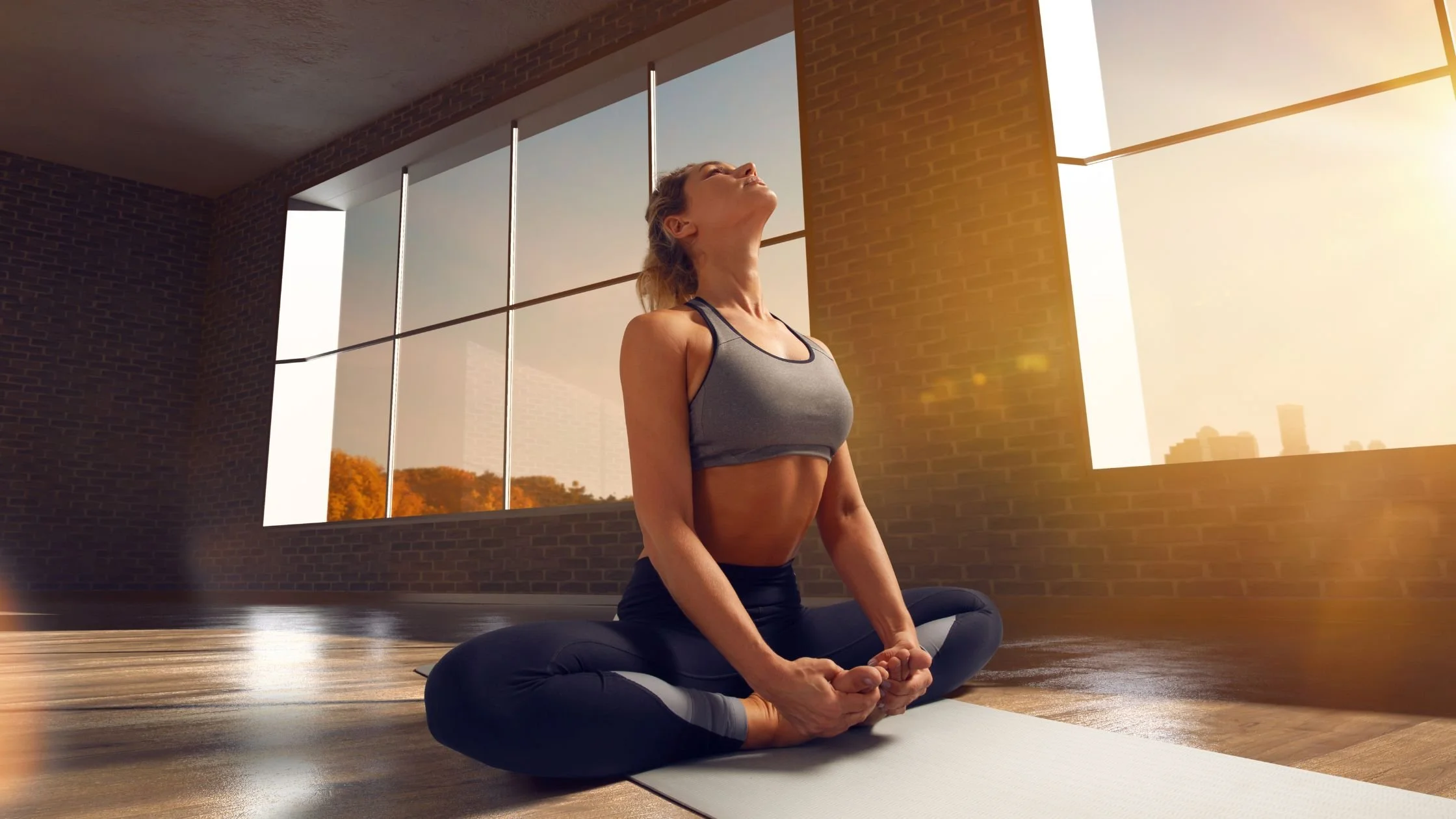
Poor posture, imbalances, tightness, and chronic pain change through what you do most often. This is the case for a minimum viable movement practice: short, enjoyable sessions you can actually return to, not workouts you dread. Learn why consistent, low-barrier movement rewires your nervous system and makes real change possible.
Nervous System Repatterning: How the Brain Shapes the Body
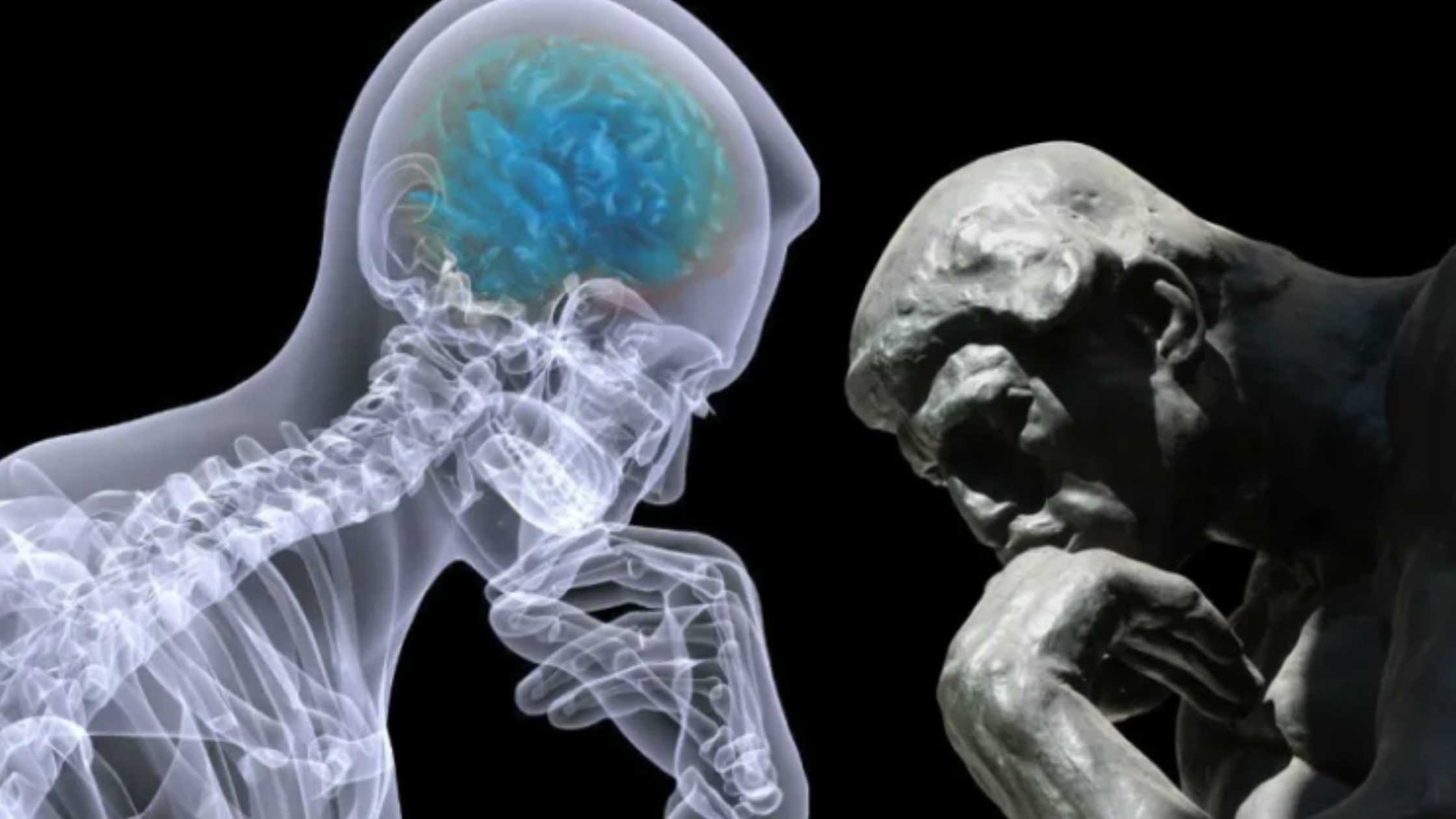
Most of us are moving through life on programs written by old habits, injuries, stress, and unconscious patterning. Nervous system repatterning is how you wake up inside your body again and learn to move, breathe, and live with clarity instead of compensation.